In Time (Preview)
2026 - 2033
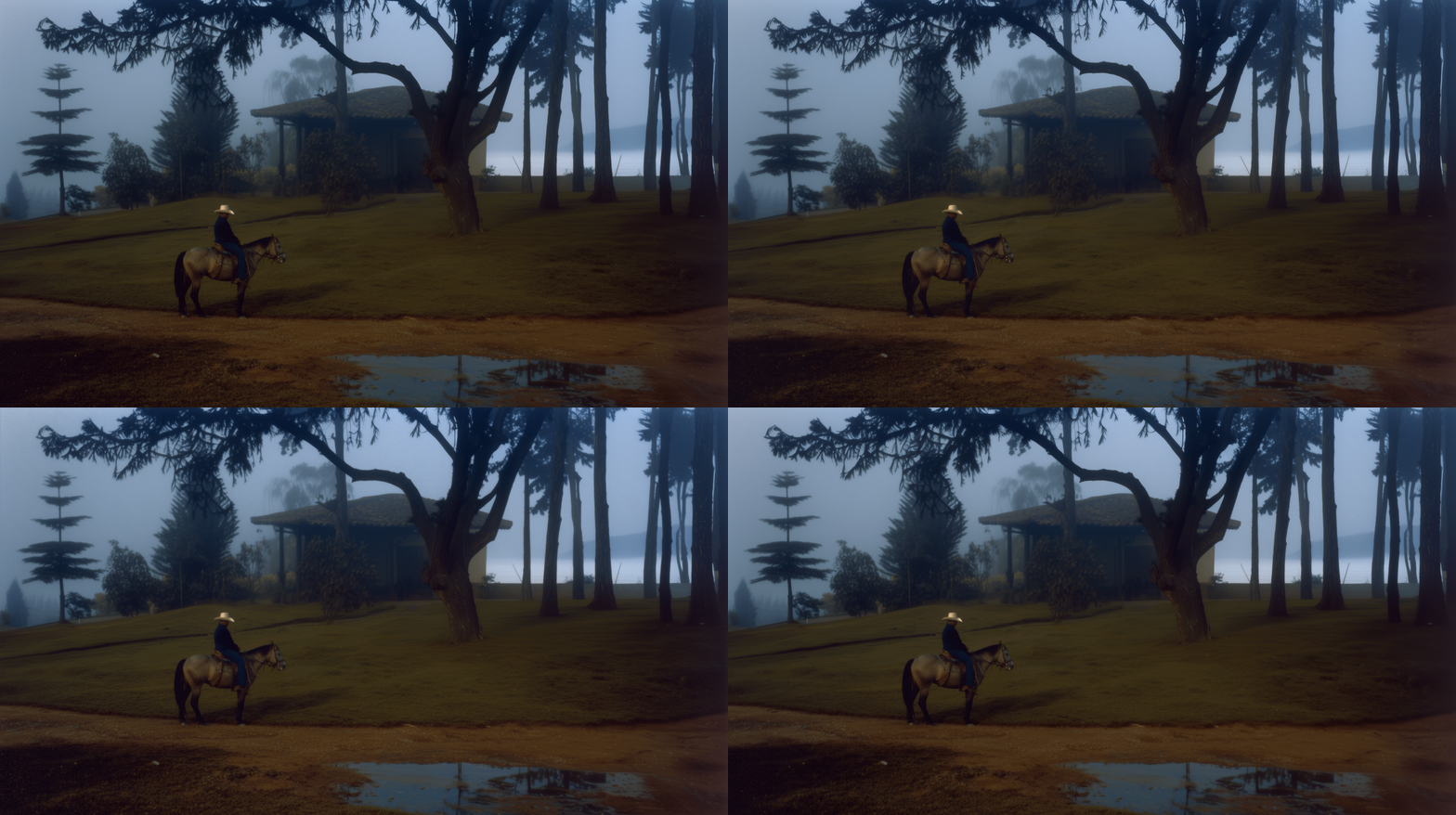
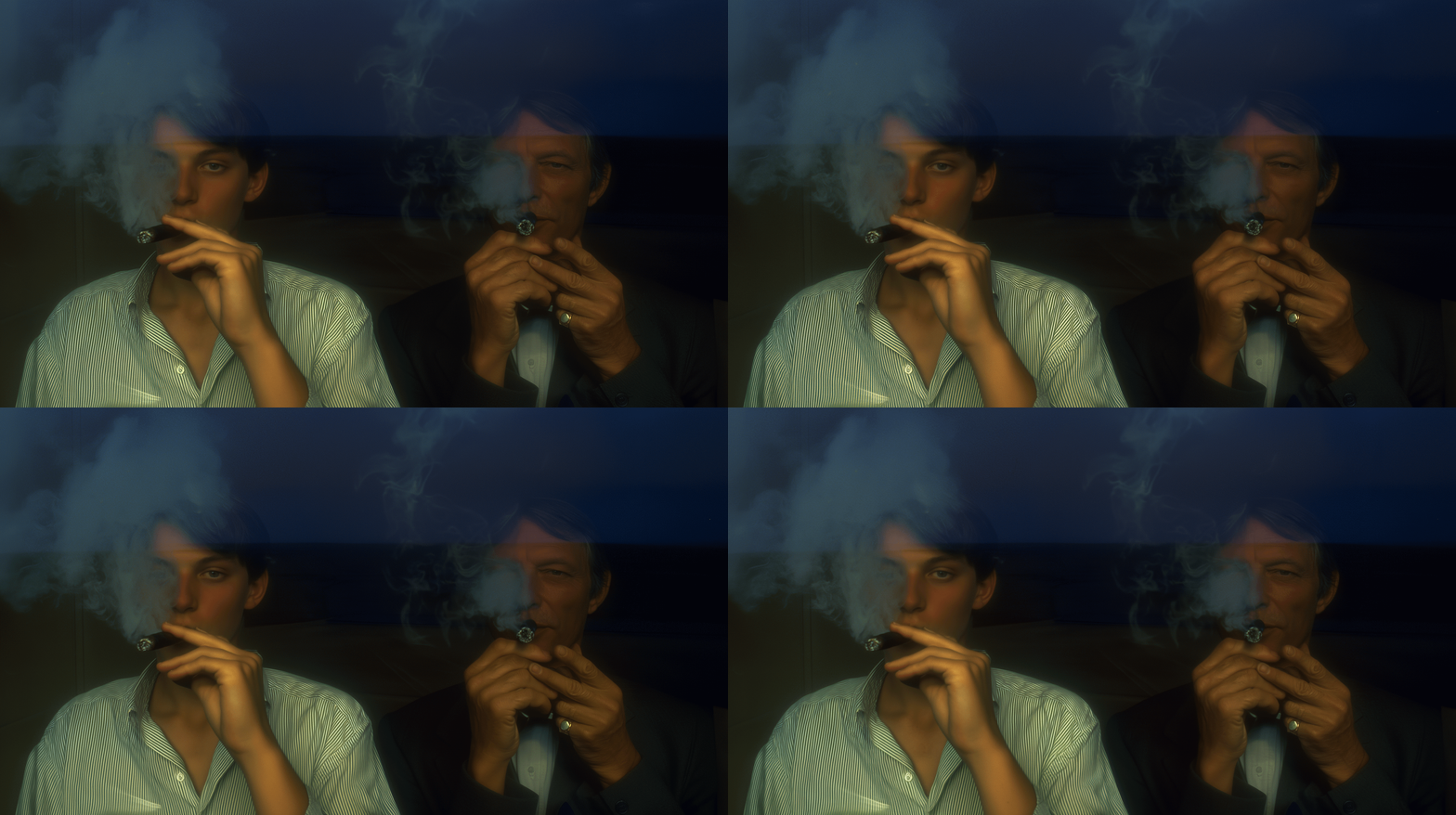
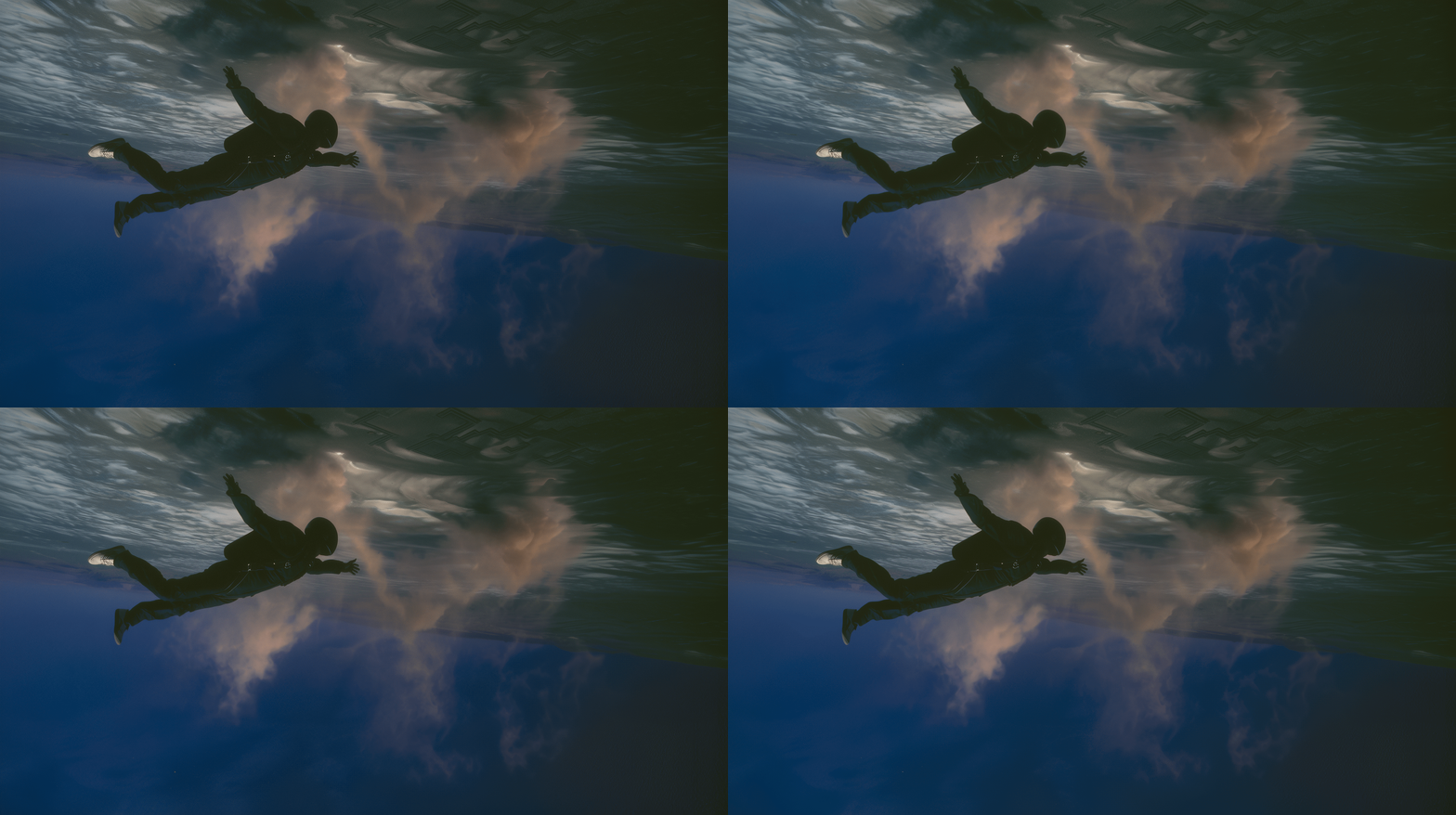
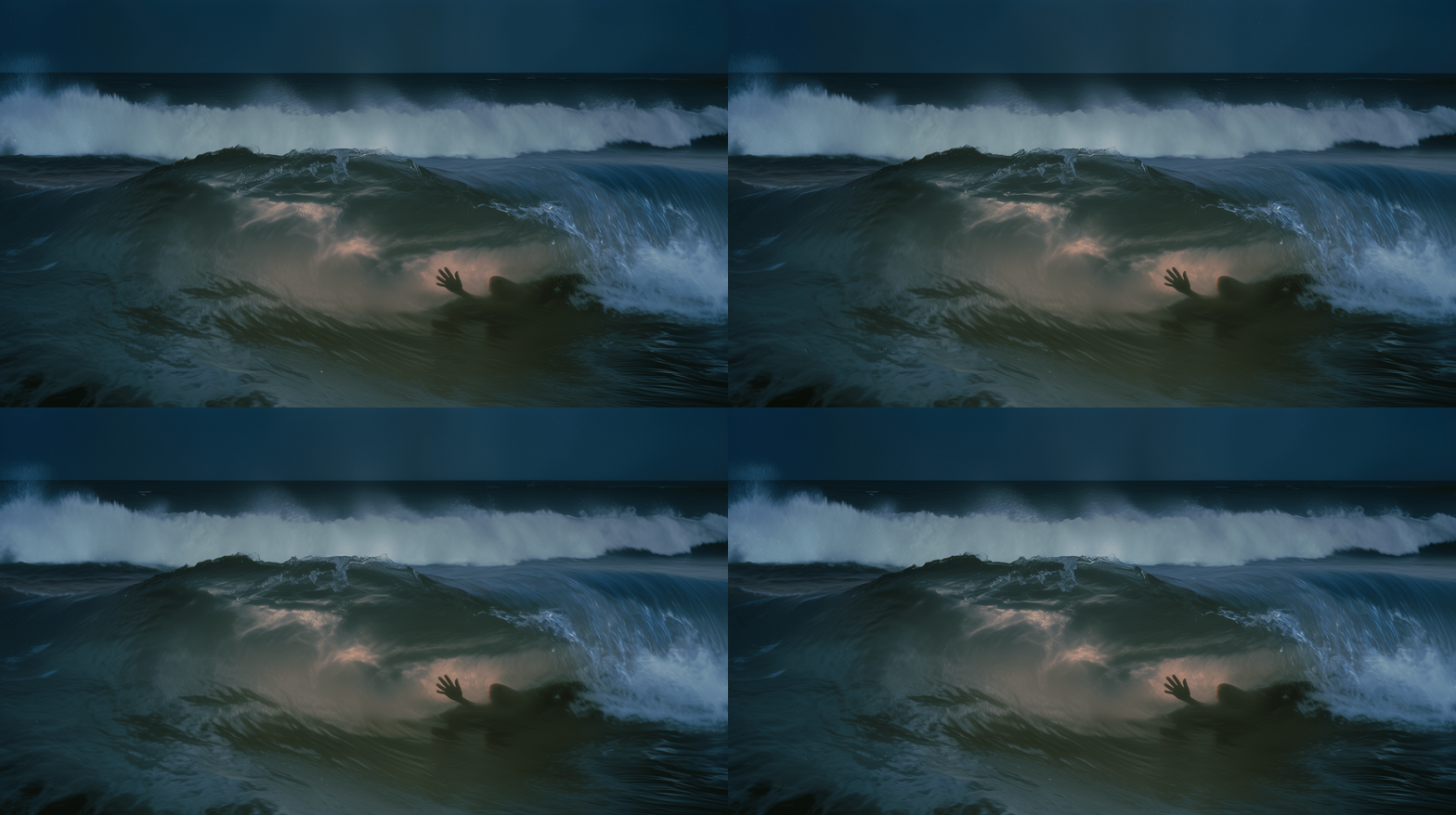
Overview
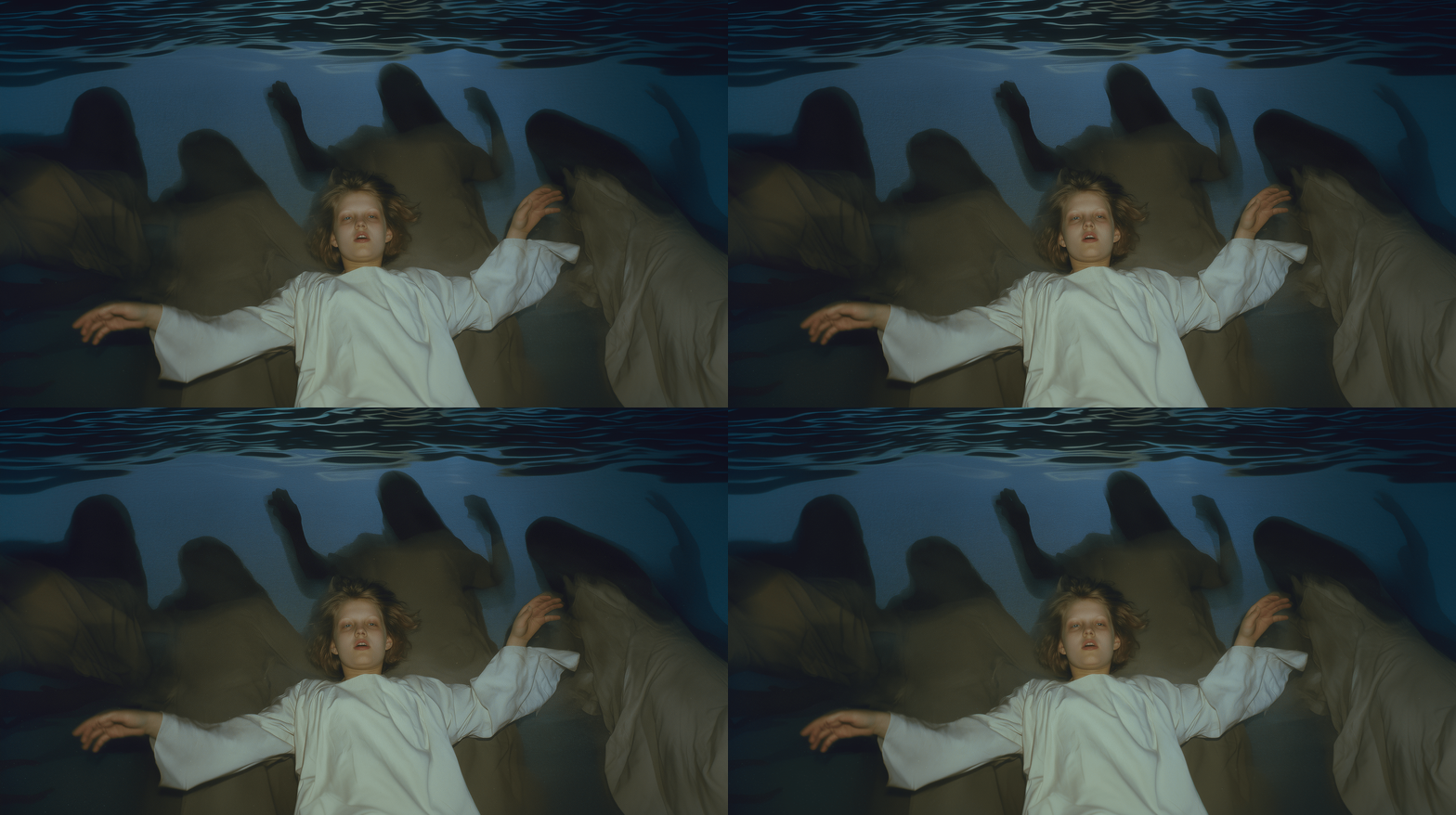
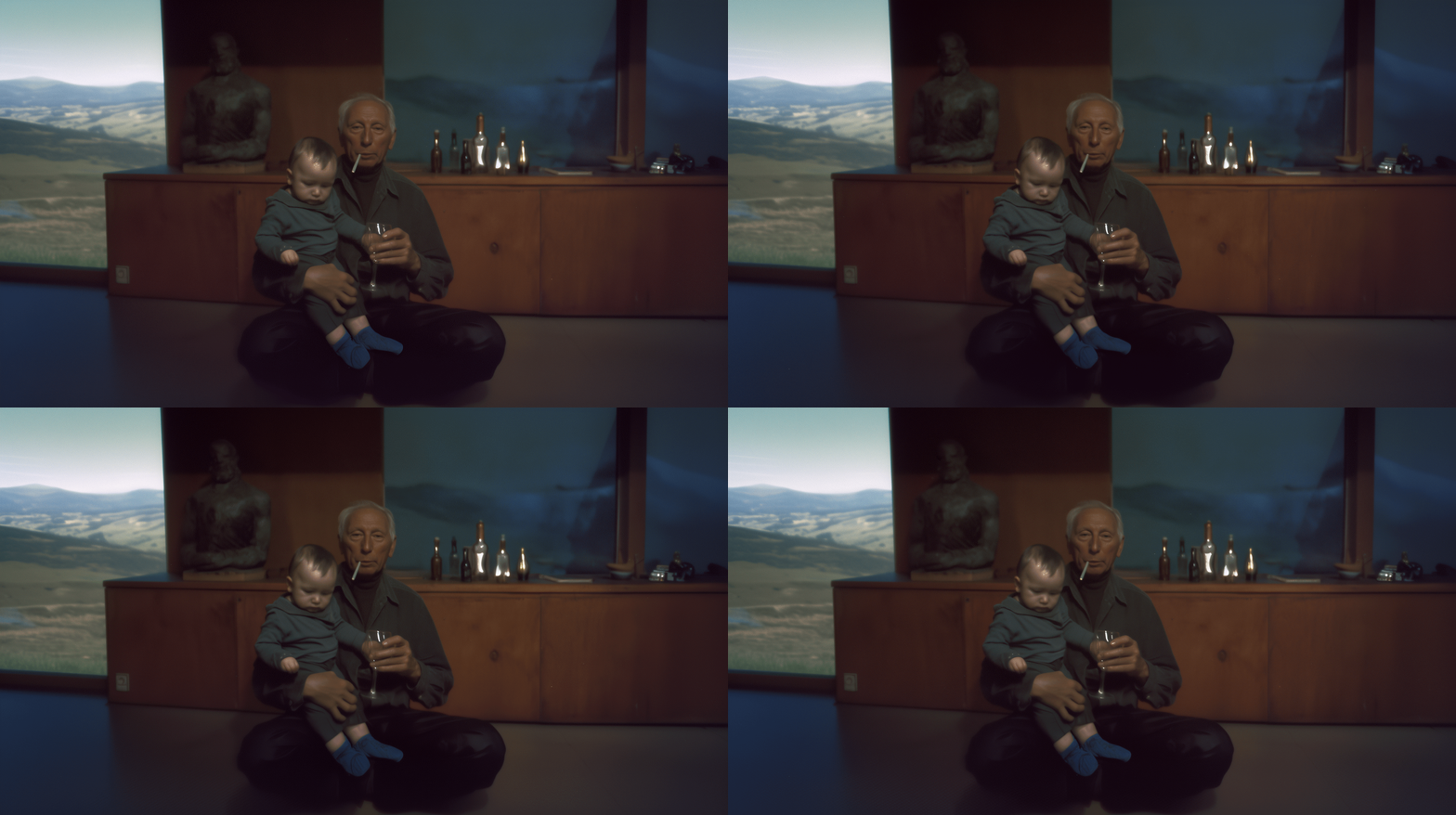
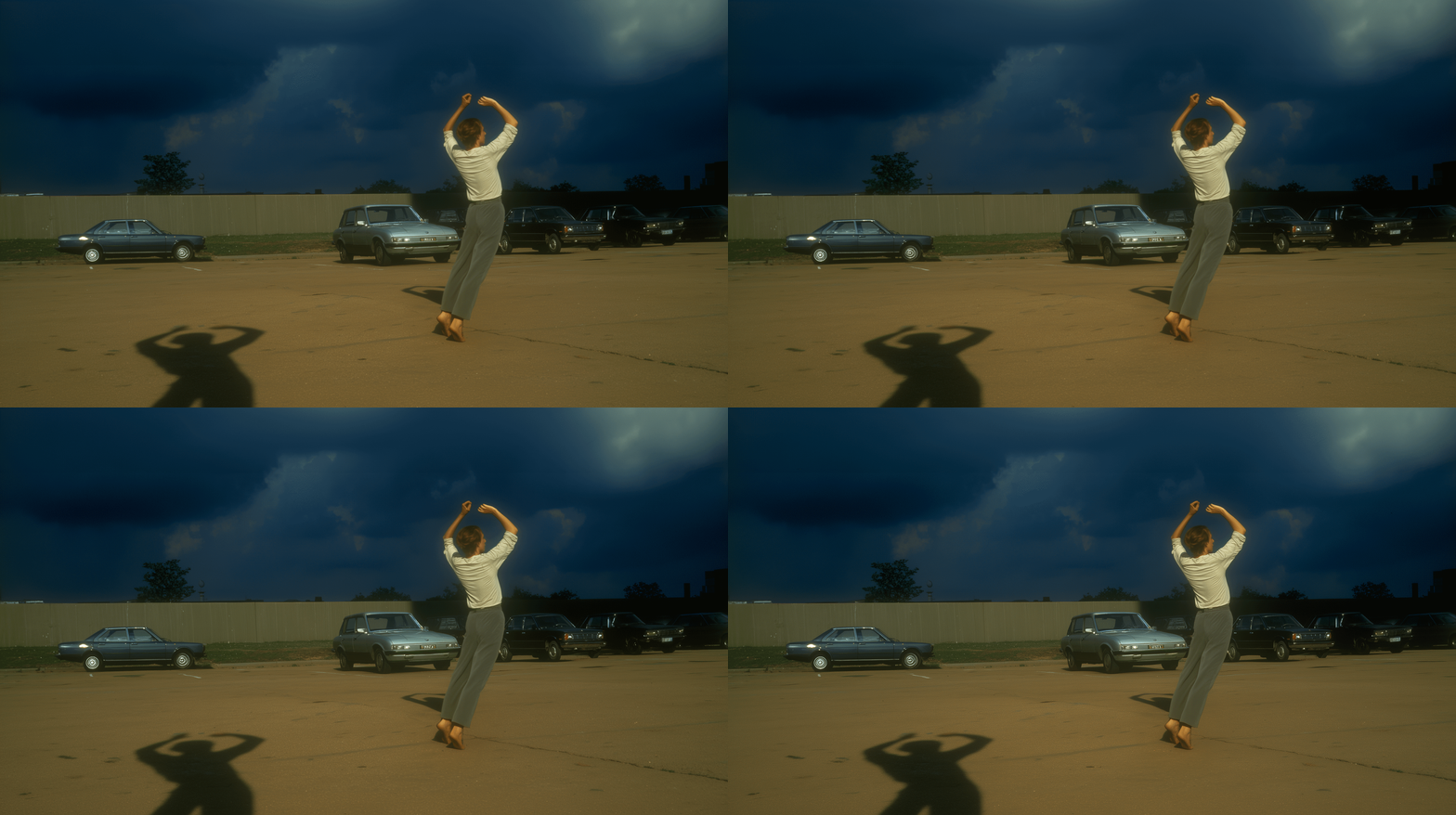
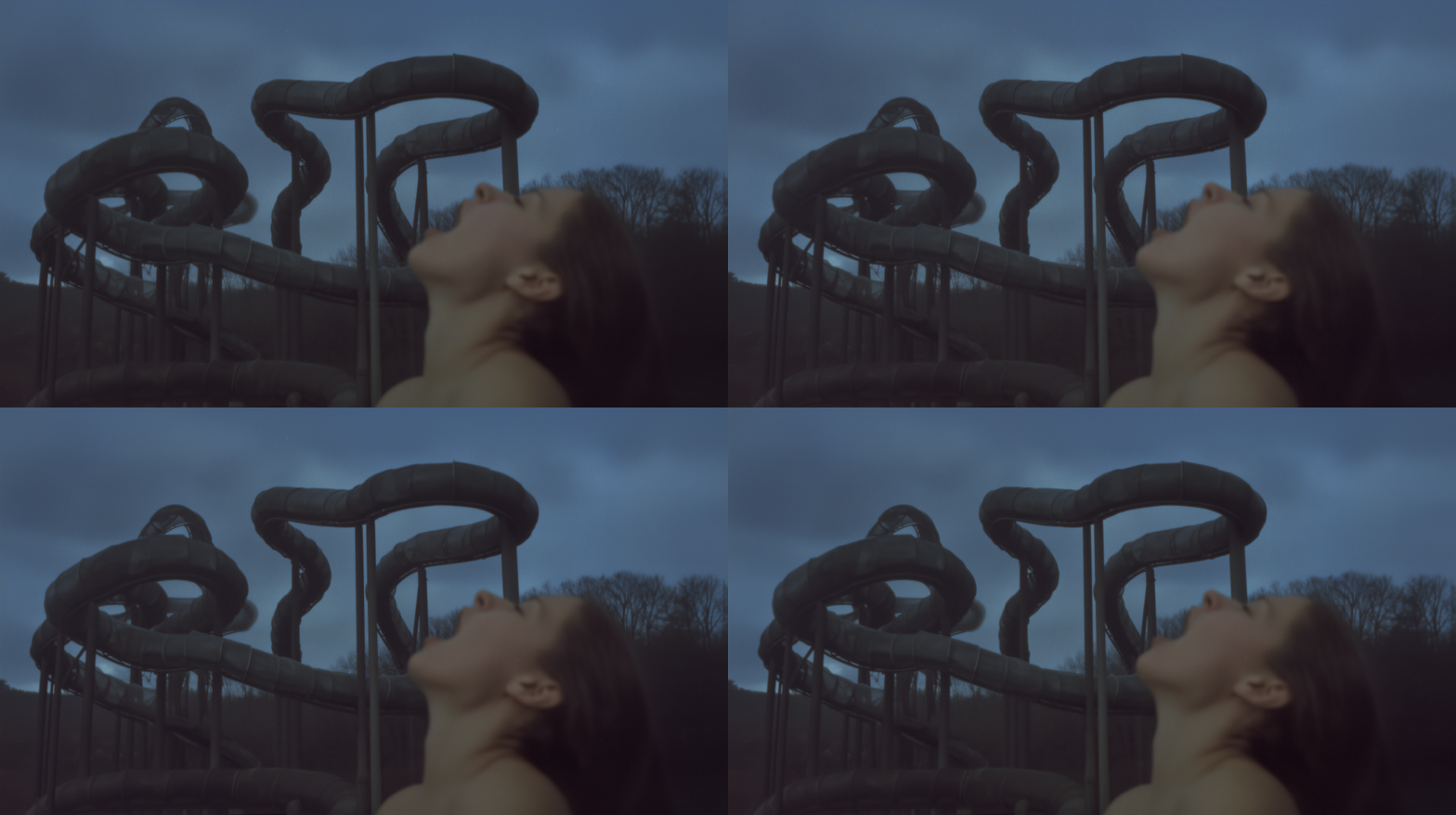
In Time is a series of participatory time-based digital works inspired by real memories from strangers online, friends and family, and myself.
Each artwork begins as a recognizable moment of a lived experience that, for the next seven years, will transform over time according to a single variable: whether its owner chooses to engage with it or not.
Once a year, a short question about the memory itself surfaces (to be answered on-chain). Owners can respond, or they can choose to do nothing. That decision, repeated or avoided year after year, determines how the artwork changes.
The final piece becomes an honest record of a seven-year relationship between a collector and their work of art.
Background
A couple of months ago, I found myself doing some retrospective work. I was trying to remember stories from my childhood, the kind of memories I assumed would always be there, waiting for me whenever I decided to look back. To my surprise, I realized huge chunks were missing, and sometimes all that remained was a feeling and nothing else.
And then I discovered something else. Some memories I did have, the ones I thought I'd been carrying all these years perfectly, turned out to be wrong. Details had shifted without my knowledge, and events I was certain about turned out to be different than I thought. I'd been so confident in these memories that discovering they were wrong felt less like forgetting and more like finding out I'd been telling myself a story all along.
I'm human. And this is what happens to us. We forget, and we also misremember. Even when we try to hold onto something, it changes each time we return to it. Unlike machines, that store everything perfectly, unchanged, and without judgement, we reconstruct from fragments, and in doing so we shape our past to serve the present.
So this experience made me wonder: what is our relationship with memory?
Why do we hold onto some things and lose others? Is it attention? Is it emotion? Is there something deeper, some system underneath our consciousness that decides for us? Is forgetting a failure, or just a part of how we make sense of our lives?
And if we could choose deliberately to remember or forget, what would we do?
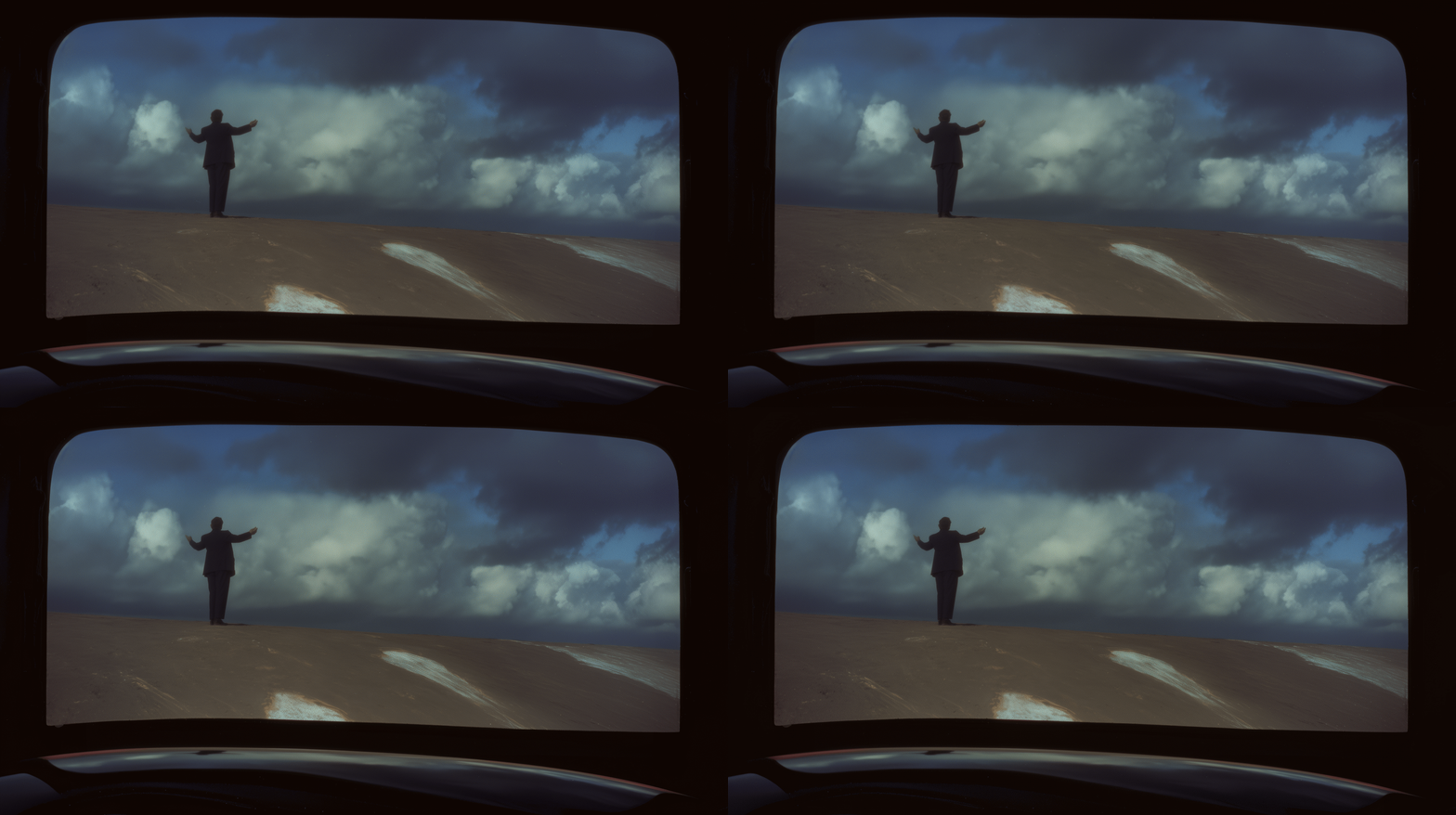
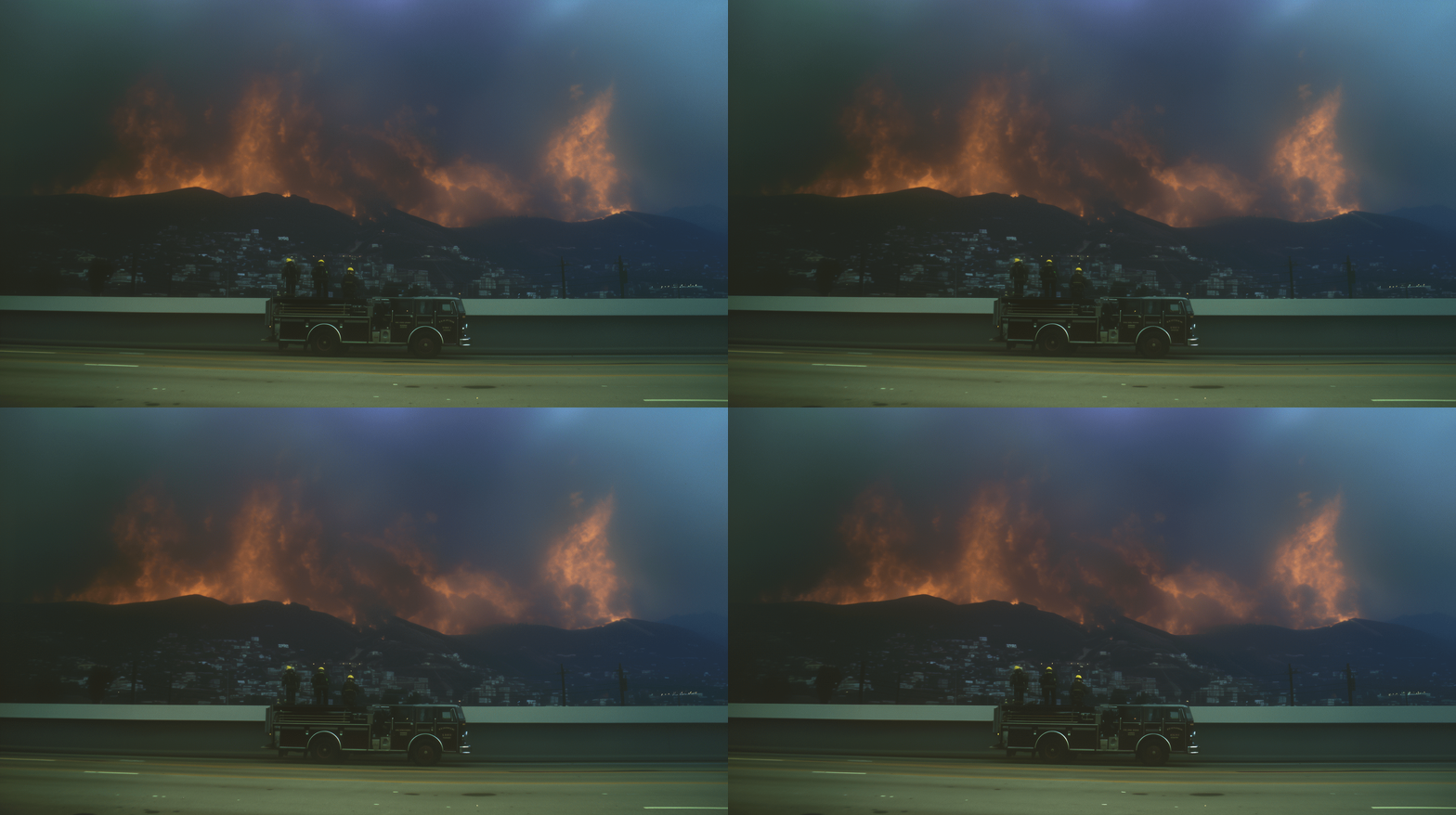
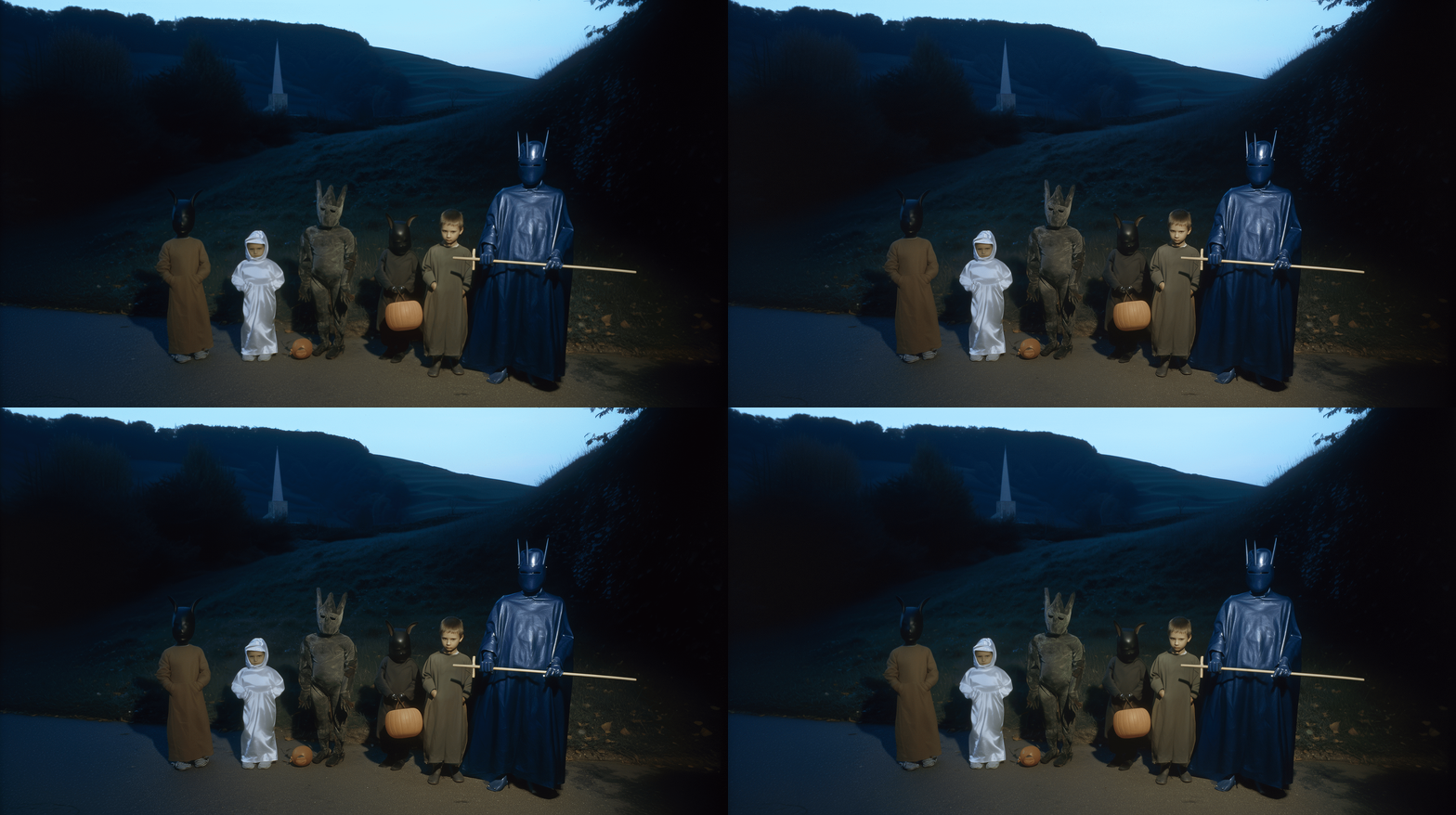
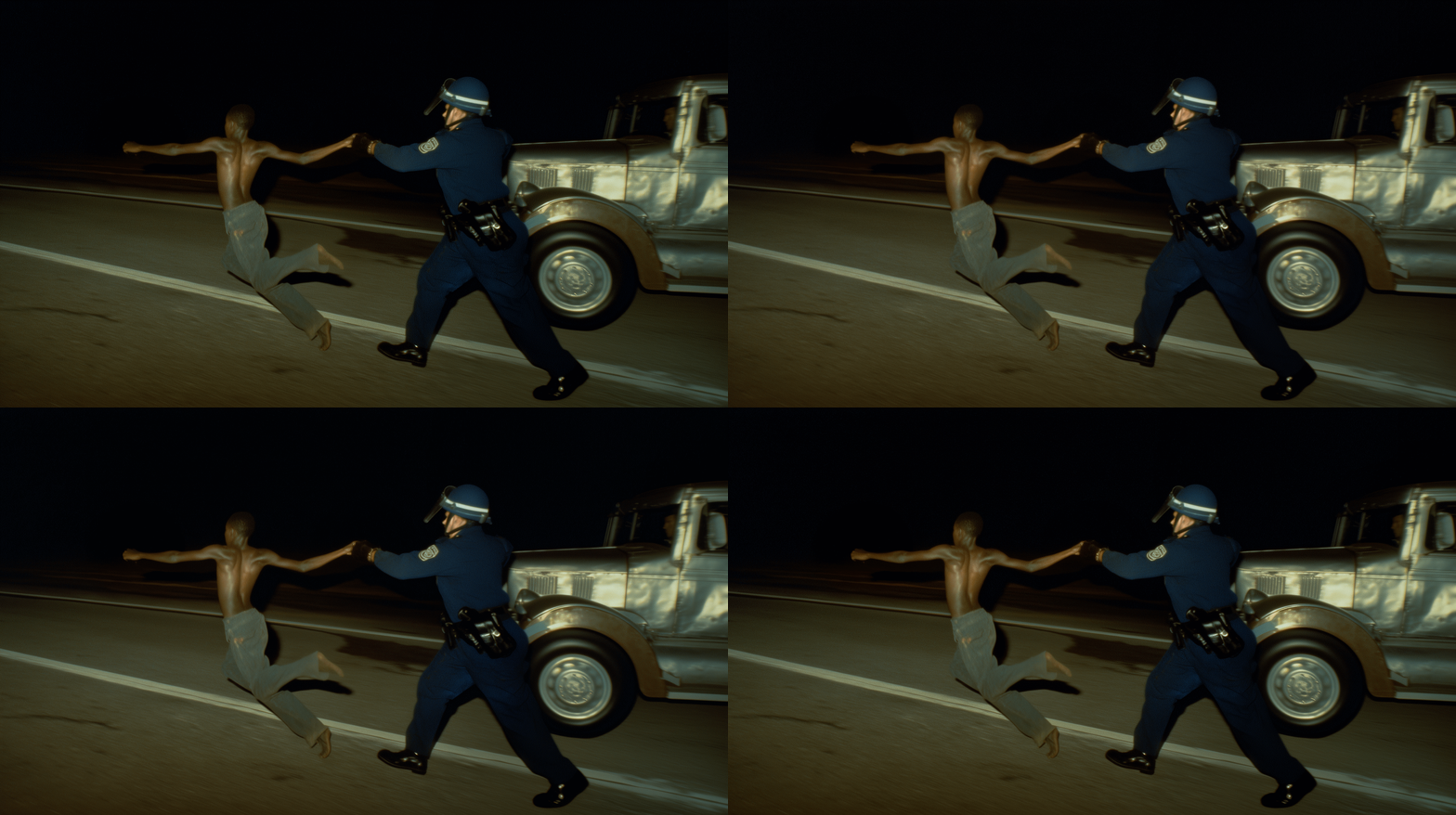
In Time
In Time is a series of participatory time-based digital works inspired by real memories from strangers online, friends and family, and myself.
These are relatable experiences where the specifics belong to the person who lived them, but the feeling belongs to all of us. A childhood embrace, a moment of solitary grief, a first love, just to name a few.
Over the next seven years these artworks will change, and how they change depends on what their owners do. Each year, a short question about the memory surfaces on-chain, and owners can engage with the question or can choose to do nothing. That choice, recorded and irreversible, determines how the image transforms over time.
Choosing To Remember
If owners choose to remember (they engage with the question), the artwork will change slightly, mimicking how a real memory changes through time.
After seven years, the artwork will become a moving image with gentle variations, still recognizable.
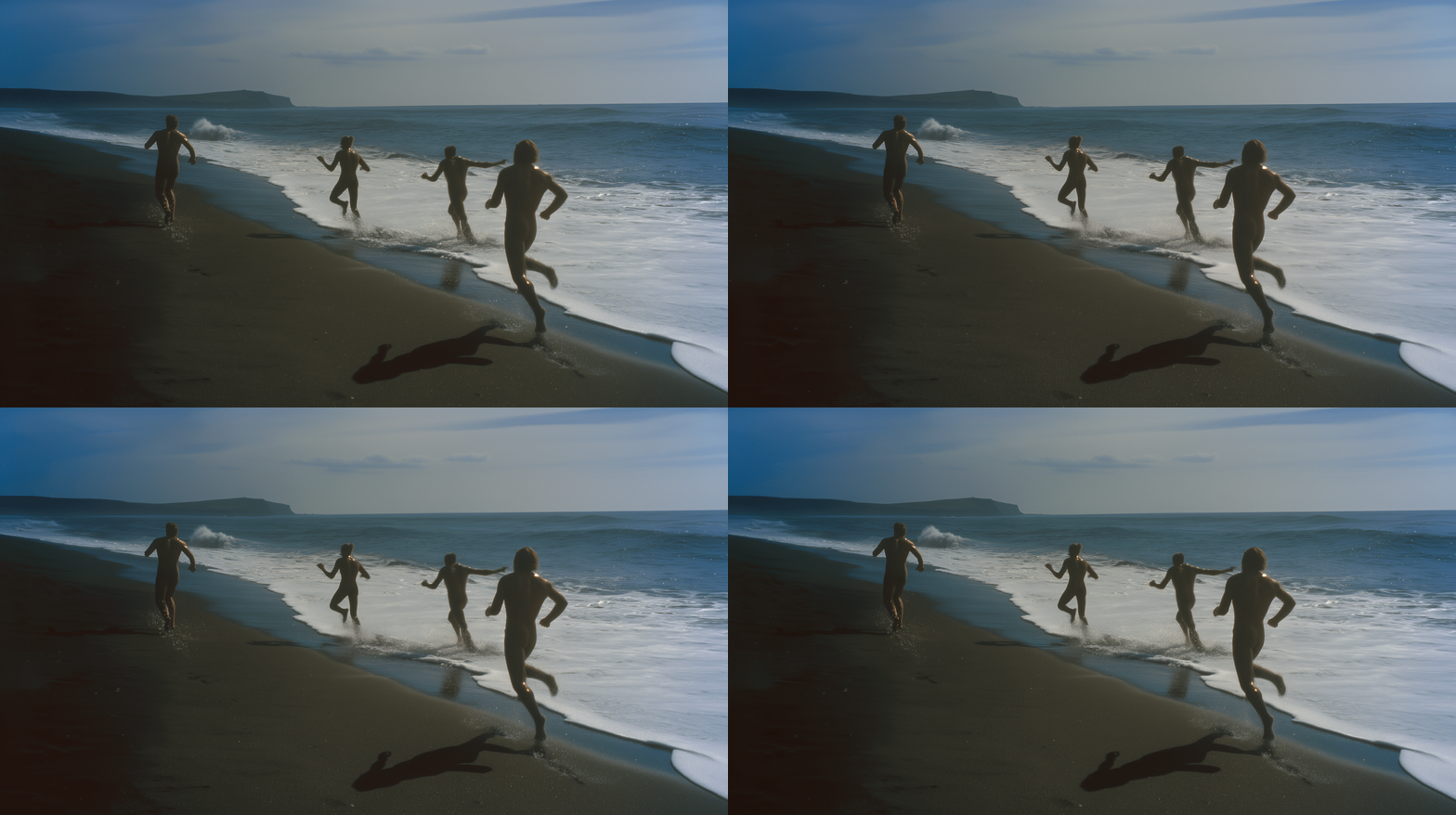
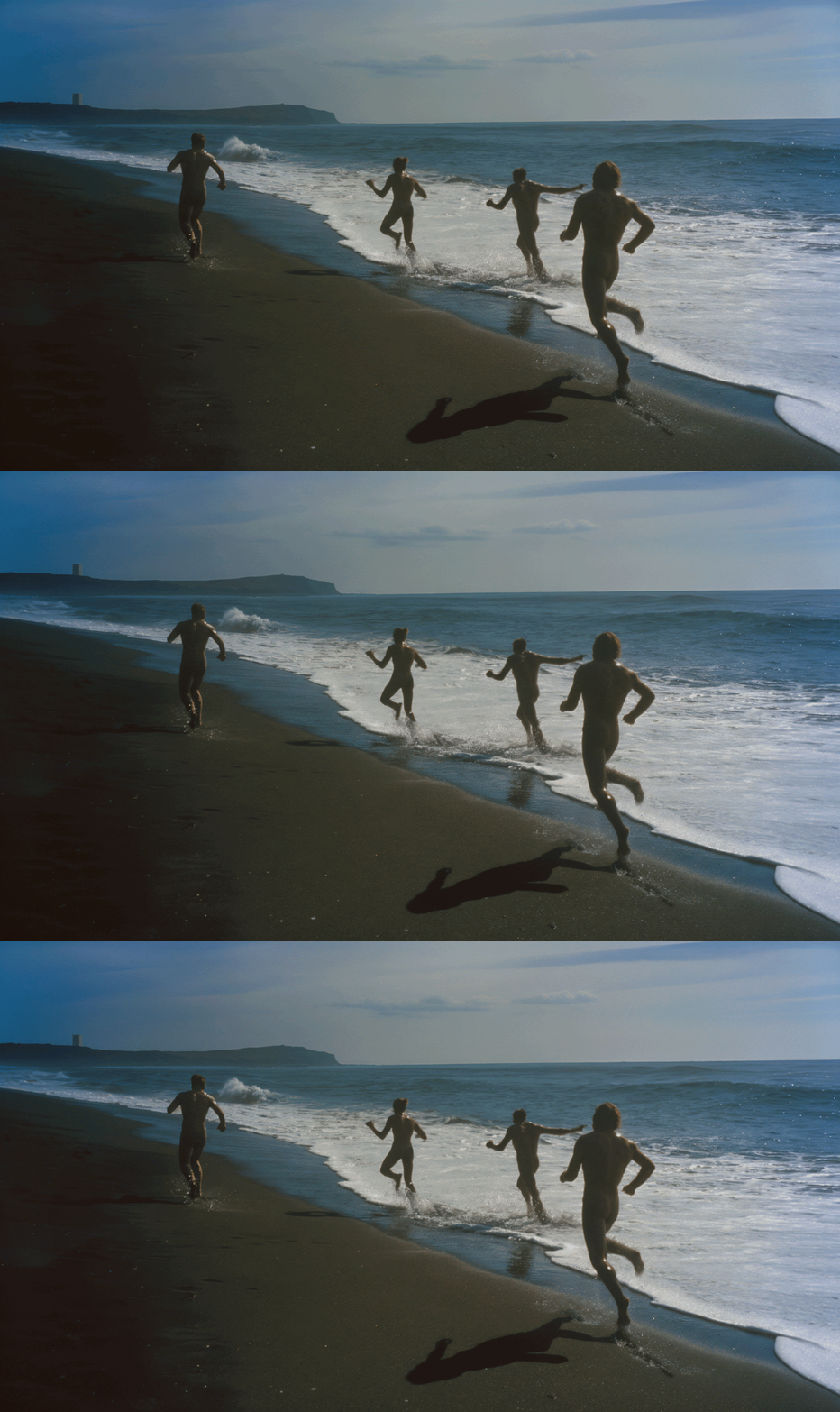
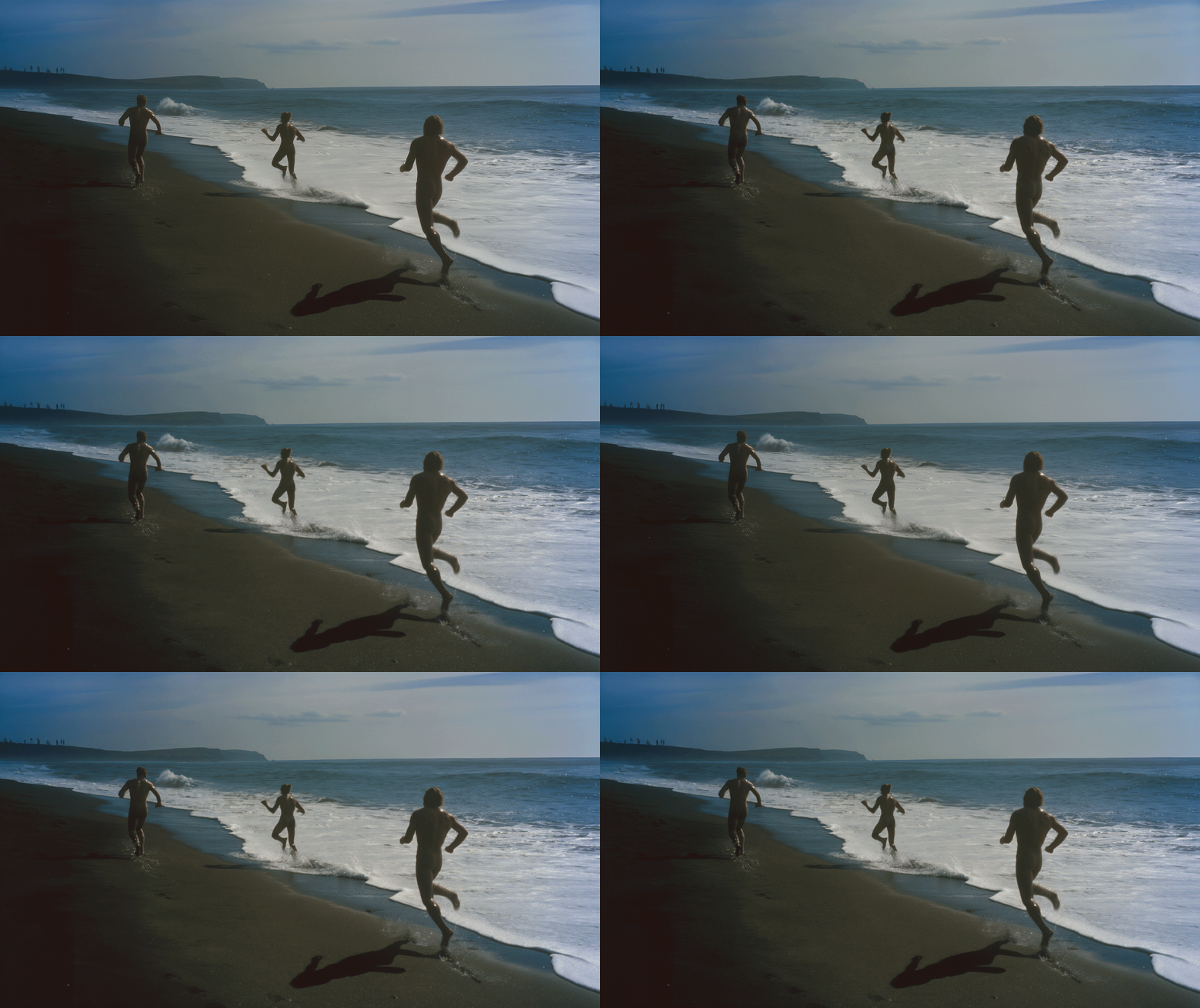
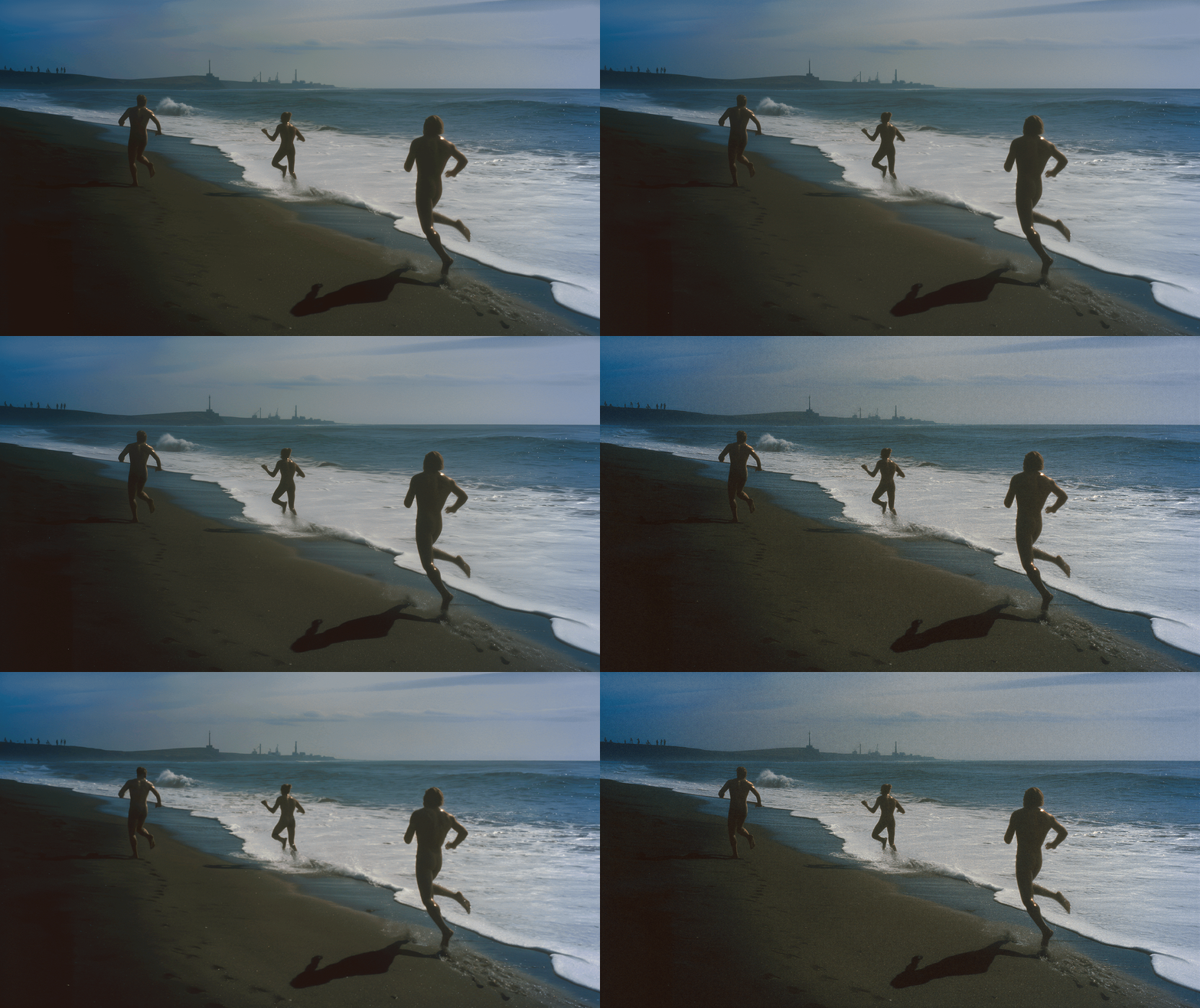
Changing process of an artwork after 7 years of “remembering” [Top Left: Year 0, Top Right: Year 2, Bottom Left: Year 4, and Bottom Right: Year 7]
Choosing To Forget
If owners choose to forget (they do not engage with the question), the artwork will start fading gradually, but permanently.
After seven years, the artwork will become a moving image of color and noise.
Both outcomes are valid, as there is no better between remembering and forgetting. They are both human ways of relating to what we have lived through.
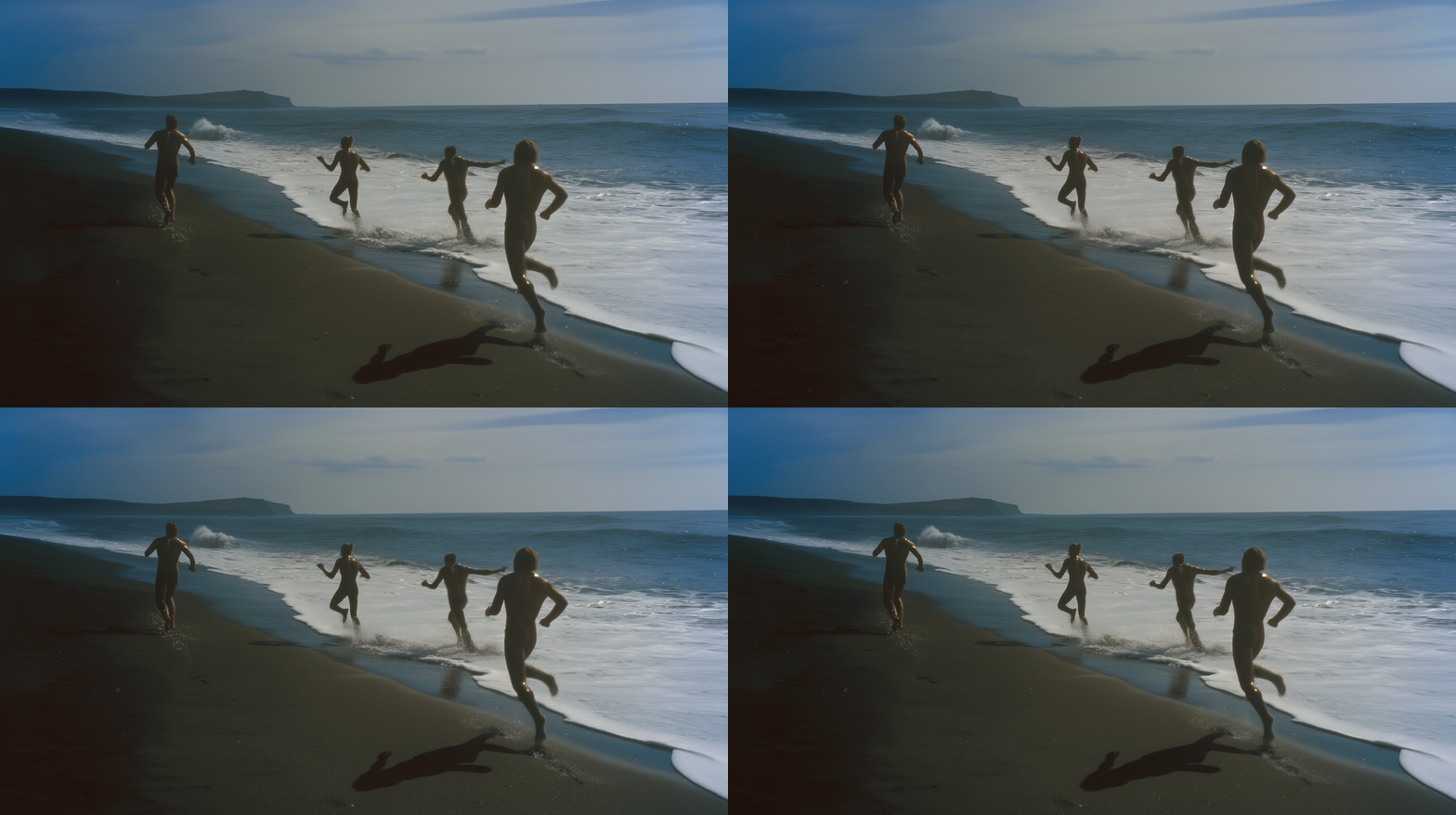
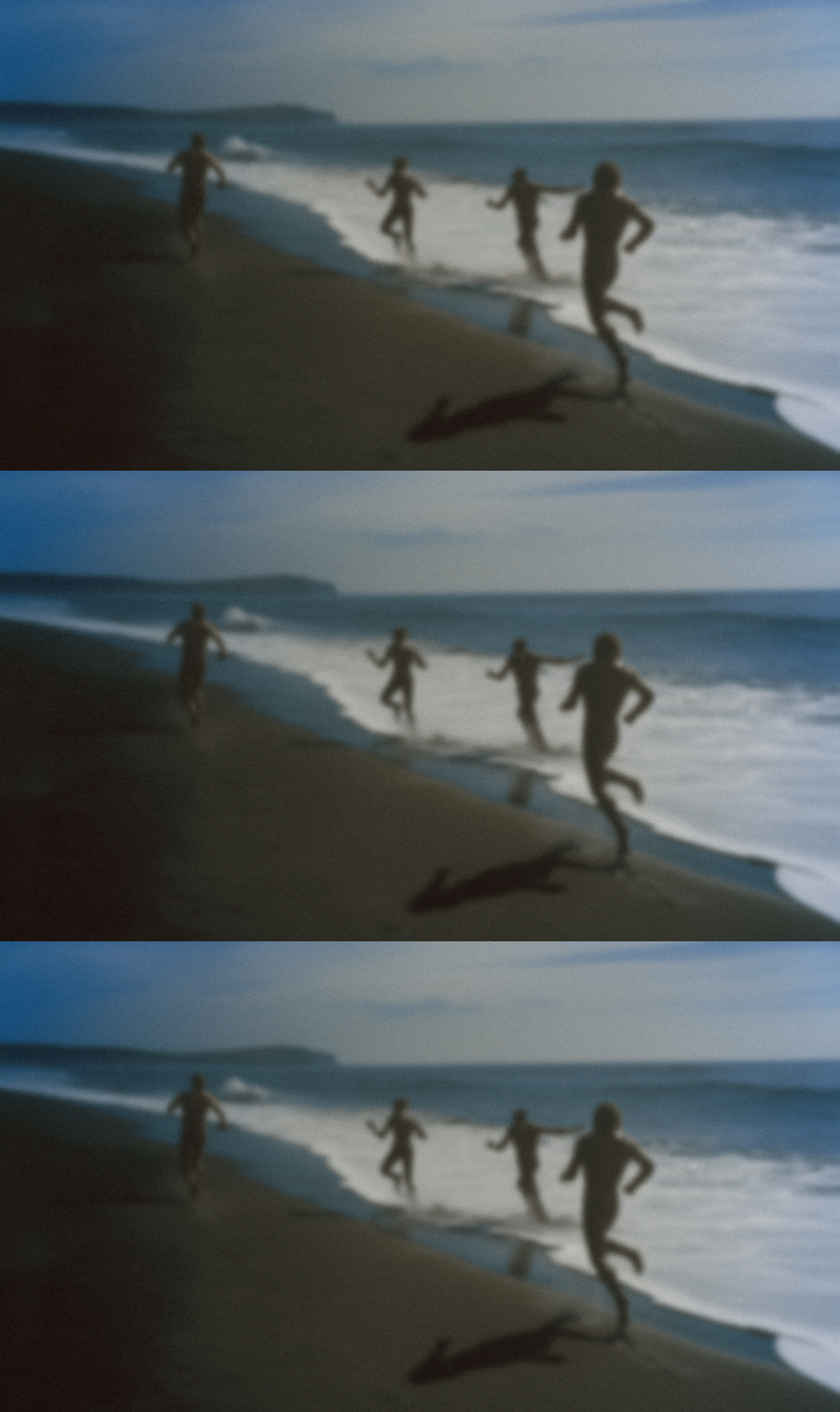
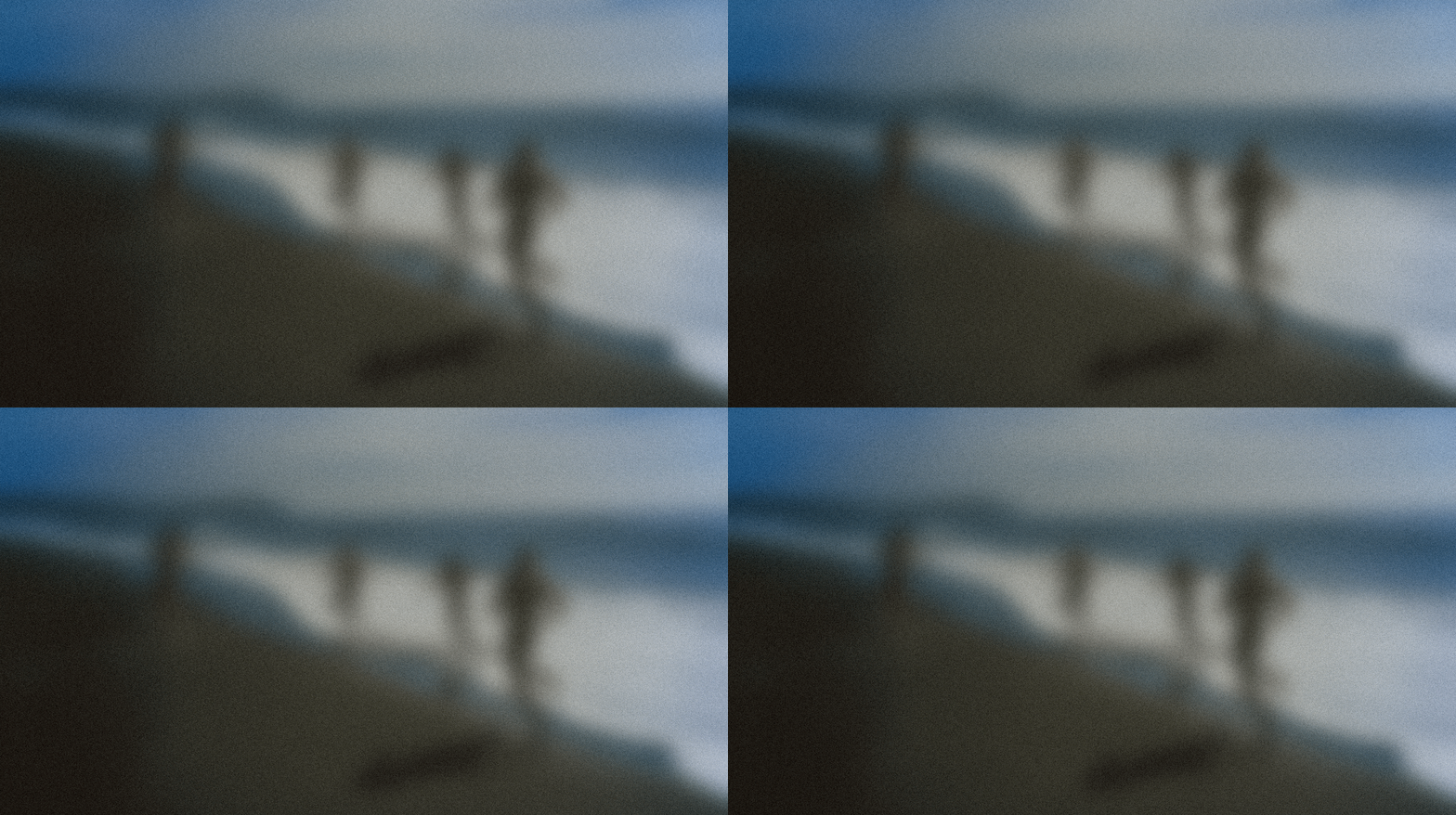
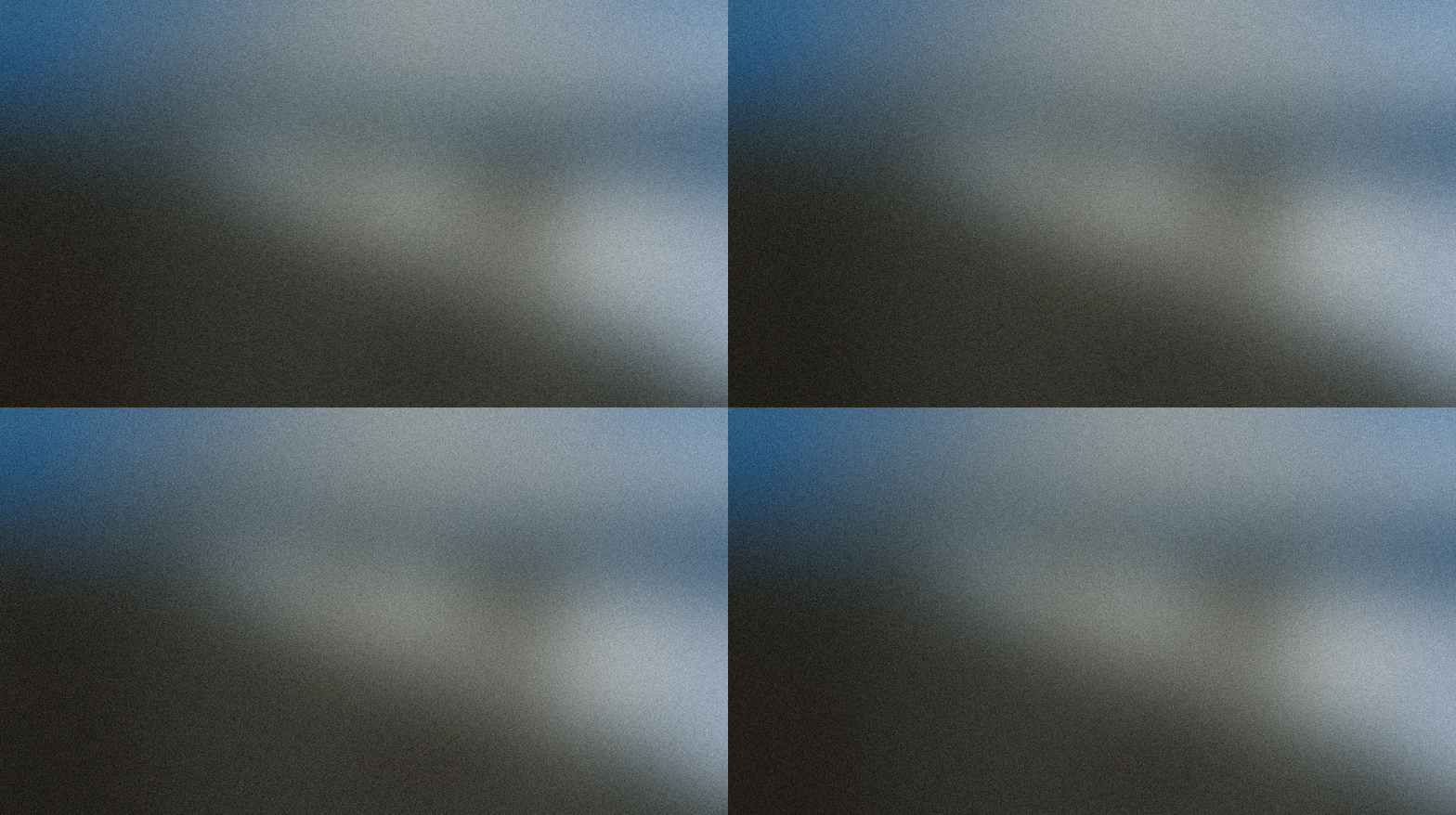
Changing process of an artwork after 7 years of “forgetting” [Top Left: Year 0, Top Right: Year 2, Bottom Left: Year 4, and Bottom Right: Year 7]
Last Reflections
When I started this series, I was trying to understand something about my own memory. How so much had simply disappeared. How some things I thought I remembered turned out to be different. And even if I did not find a clear answer, I wanted to explore what would I do if I had a choice.
That is what In Time is: A system that asks, year after year, to do consciously what all of us do most of the time without thinking.
To hold on or to let go, and to live with what that choice produces.
Whether engaging with a memory once a year will feel like care or like an obligation. Whether forgetting will feel like loss or like relief. Whether the abstract version will end up meaning more to someone than the original.
In seven years, these artworks will tell a story I can't write on my own.
Hopefully, an honest portrait of how we as humans relate to our past.